Right to Education (RTE) Awareness Campaign by POPET

The Right to Education (RTE) Act, enacted in 2009, guarantees free and compulsory education for children aged 6 to 14 in India. However, in many rural and tribal regions of Odisha, awareness and implementation remain low. To address this, People’s Organisation for Participatory Education and Training (POPET) launched an intensive awareness campaign focused on promoting the RTE Act across Odisha.
Right to Education (RTE) Awareness Campaign by POPET

Objectives of the Campaign

POPET’s RTE Awareness Campaign aims to:

  • Inform communities about children’s right to free education.
  • Boost enrollment and reduce school dropout rates.
  • Promote active community involvement in school monitoring.
  • Ensure implementation of benefits like free uniforms, books, and mid-day meals.

Using Street Theatre for Awareness

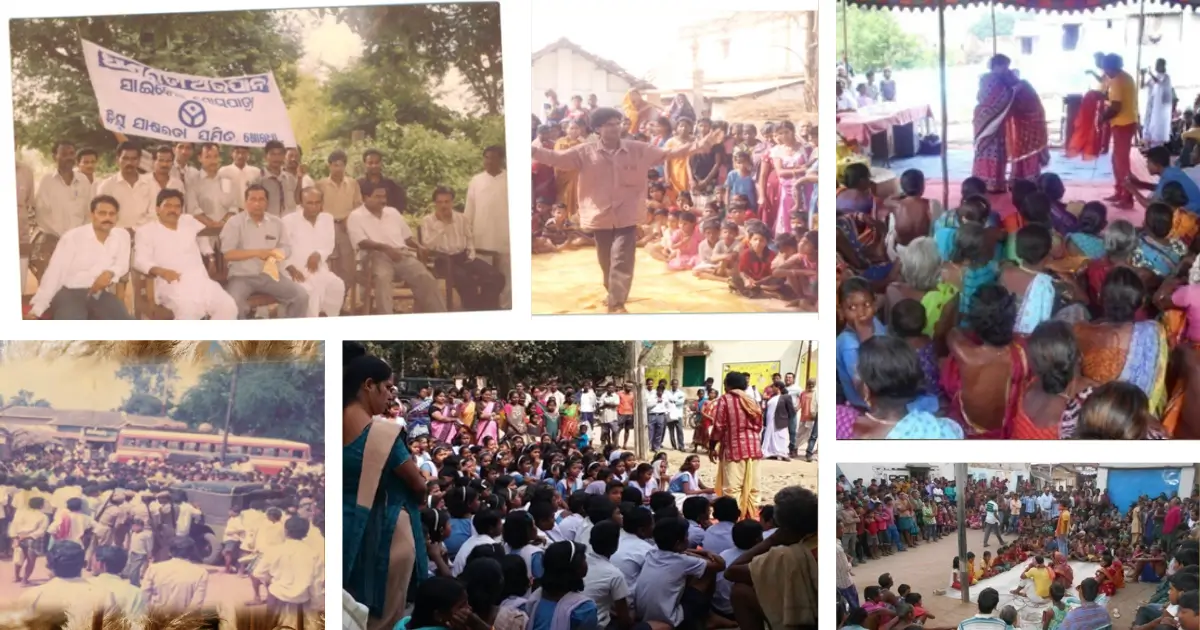
POPET leveraged the power of street theatre to spread awareness. These performances, delivered in local dialects and culturally familiar formats, addressed key issues such as:

  1. The importance of educating both girls and boys.
  2. Dispelling misconceptions about education costs.
  3. Combating child labor and early marriage.
  4. Encouraging village-level educational accountability.
Post-performance discussions helped clarify doubts, and the team distributed pamphlets and promoted enrollment drives.

Reach and Coverage

Between 2011 and 2023, POPET conducted over 5,000 RTE-focused street plays in more than 30 districts. Key districts included Kalahandi, Kandhamal, Ganjam, Khurda, Gajapati, Sundargarh, and Nuapada.

Notable District Highlights:

  1. Ganjam (2015-16): 475 shows across 22 blocks led to significant school enrollments.
  2. Kalahandi (2016-17): 286 performances enhanced awareness among tribal populations.
  3. Dhenkanal (2014-15): 199 shows emphasized the importance of girl child education.

Support and Partnerships

POPET’s campaign was primarily funded and supported by Sarva Shiksha Abhiyan (SSA) in various districts. Collaborations with local schools, gram panchayats, education officers, and volunteers were essential in reaching remote villages and amplifying the message.
Campaign Impact

  1. Higher Enrollments: Thousands of children joined schools post-campaign.
  2. Greater Awareness: Parents learned about their children’s educational entitlements.
  3. Community Participation: Local education committees became more active.
  4. Reduced Dropouts: Many previously out-of-school children were re-enrolled.

Challenges

  • Remote Locations: Hard-to-reach tribal areas required extra logistical planning.
  • Language Barriers: Plays had to be customized to multiple dialects.
  • Community Resistance: Initial disinterest was overcome through repeated efforts.

Future Plans

POPET aims to build on this foundation by:

  • Forming local volunteer groups to monitor attendance.
  • Collaborating with SHGs and local NGOs.
  • Launching child rights clubs in schools.
  • Utilizing digital tools to keep communities informed.

POPET’s RTE Awareness Campaign showcases how grassroots efforts can bridge policy and practice. Through culturally resonant street theatre, direct engagement, and community mobilization, POPET has made significant strides in making education a reality for every child in Odisha. With continued effort, the organization seeks to sustain and deepen its impact in the years to come.